

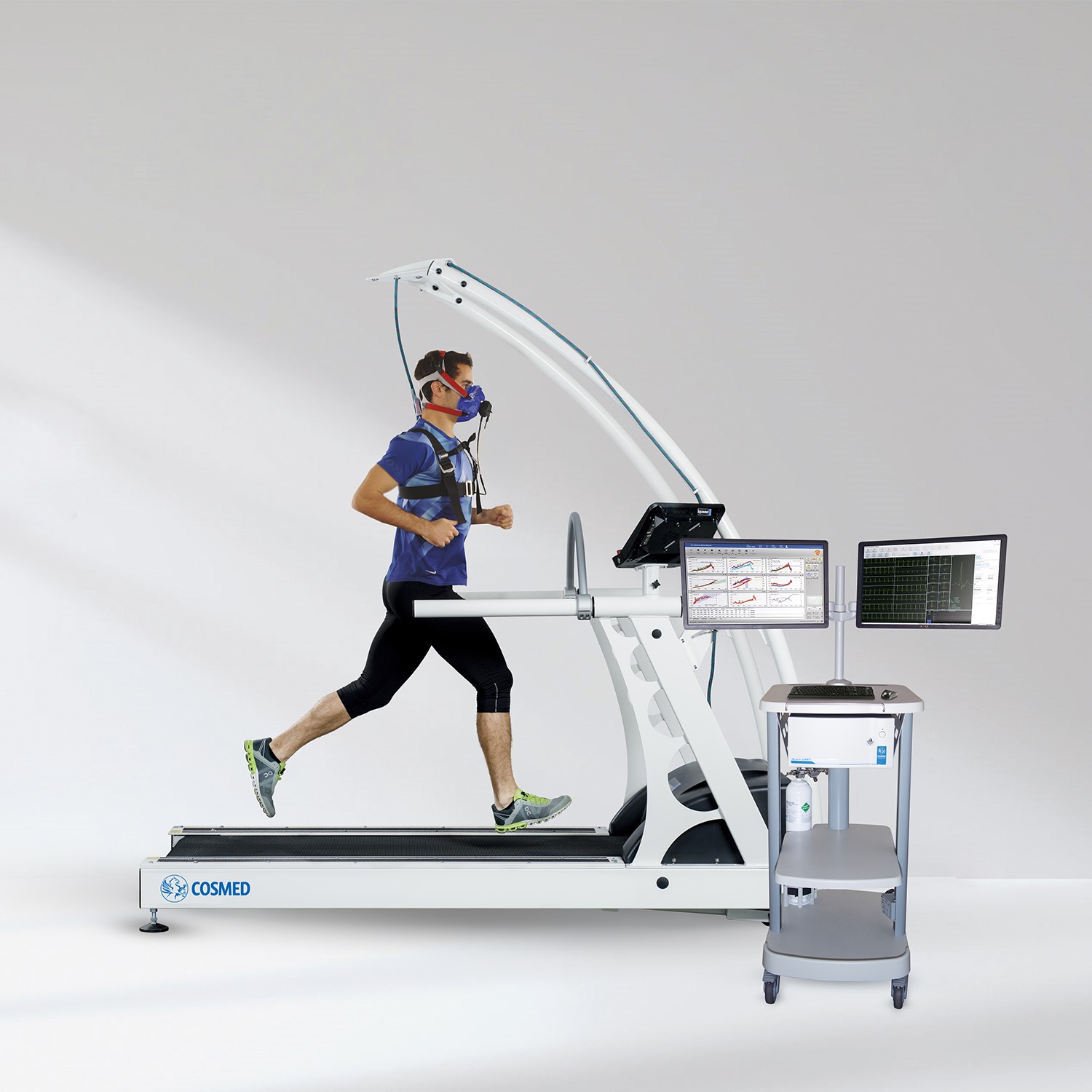
Practical Aspects of Cardiopulmonary Exercise Testing
The use of cardiopulmonary exercise testing (CPET) in pediatrics provides critical insights into potential physiological causes of unexplained exercise-related complaints or symptoms,as well as specific pathophysiological patterns based on physiological responses or abnormalities. Furthermore, CPET helpsevaluate exercise performance in children with chronic (lung/heart) diseases. For instance, it can ascertain any adverse reaction to exercise and estimate the effects of specific treatment measures. It affords a global assessment of the pathophysiological patterns, responses and abnormalities to exercise that is inadequately reflected by resting lung function and/or cardiac function assessment. Clinical interpretation of the results of a CPET in pediatrics requires specific knowledge regarding pathophysiological responses and interpretative strategies that can be adapted to address concerns specific to the child’s medical condition or disability.
Introduction
Cardiopulmonary exercise testing (CPET) is a commonly used procedure to assess the physiological response to exercise in subjects.Aerobic fitness is currently seen as a vital sign in the adult population as well as in the pediatric age group. However, most clinicians lack education, expertise, experience, usage and successes applying the benefits of CPET for their pediatric patients, because it is relatively new and not widely taught. There are many perceived barriers to using CPET in clinical practice. Many pediatricians do not know how to perform a CPET, and/or what to do with the test results, or do not have the equipment to perform a CPET.This means that CPET is still quite underused in pediatrics. In this article, we will provide some practical advice on performing CPET in children and selecting reference values, and we will outline the approaches to CPET performance and interpretation that proved more helpful in managing cardio-respiratory patients.
Conclusions
CPET can be performed in children for establishing a baseline biometric for which improved outcomes are serially tracked and ideally rewarded, as in most cases the fitness values of children with a chronic medical condition are very low. CPET is best interpreted in light of the pre-test likelihood of abnormality, as well as the exercise-related complaints or symptoms of patients. In this article, we have described approaches to performing CPET in children, selecting reference values, and interpreting the CPET data.
