

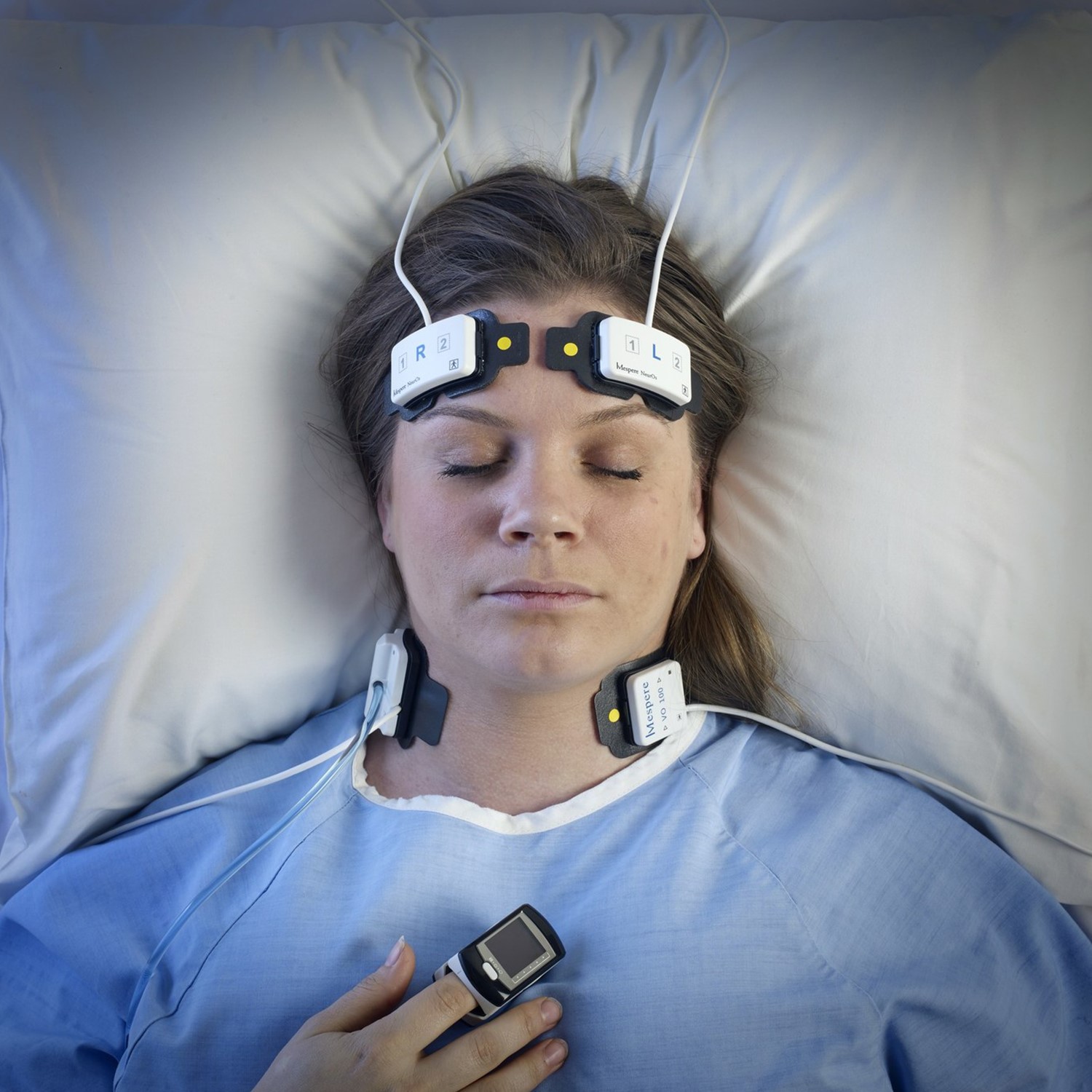
Acute Respiratory Distress Syndrome – Guidance to improve oxygenation and cardiac function with cerebral oximeter
Acute Respiratory Distress Syndrome (ARDS) is a severe lung condition that occurs when fluid builds up in the tiny air sacs (alveoli) in the lungs. This fluid prevents the lungs from filling with enough air, leading to dangerously low levels of oxygen in the bloodstream12.
Causes
ARDS can be triggered by various conditions, including:
Sepsis (a widespread infection in the body)
Pneumonia
Severe trauma
COVID-19
Aspiration of stomach contents into the lungs
Symptoms
The symptoms of ARDS typically include:
Severe shortness of breath
Rapid and labored breathing
Low blood pressure
Confusion and extreme tiredness
Bluish skin, lips, or nails due to low oxygen levels
Treatment
Treatment for ARDS often involves:
Oxygen therapy: To increase oxygen levels in the blood.
Mechanical ventilation: To assist with breathing.
Medications: To treat the underlying cause and manage symptoms.
ARDS is a critical condition that requires immediate medical attention and often intensive care
What is the point of using cerebral oximeter device for monitoring and treatment ARDS
Using a cerebral oximeter, which measures the oxygen saturation in the brain, can be crucial in monitoring and treating Acute Respiratory Distress Syndrome (ARDS) for several reasons:
Importance in ARDS Management
Monitoring Oxygen Delivery:
ARDS can severely impair the lungs’ ability to oxygenate the blood. By monitoring cerebral oxygenation, healthcare providers can ensure that the brain is receiving adequate oxygen, which is vital for preventing brain damage.
Assessing Treatment Effectiveness:
Treatments for ARDS, such as mechanical ventilation, aim to improve oxygenation. Cerebral oximetry provides real-time feedback on how well these treatments are working, allowing for adjustments to be made promptly.
Preventing Hypoxia:
Hypoxia (low oxygen levels) can lead to severe complications, including brain injury. Continuous monitoring helps in early detection and intervention, reducing the risk of long-term neurological damage.
Guiding Clinical Decisions:
In critical care settings, maintaining optimal oxygen levels is a delicate balance. Cerebral oximetry helps guide decisions regarding oxygen therapy, ventilator settings, and other interventions to ensure the best possible outcomes for patients with ARDS.
How It Works
Cerebral oximeters use near-infrared spectroscopy (NIRS) to measure the oxygen saturation of hemoglobin in the brain. This non-invasive method provides continuous, real-time data, making it an invaluable tool in the intensive care unit (ICU).
The point of using cerebral oximeter instead of pulse oximeter
Using a cerebral oximeter instead of a pulse oximeter for monitoring and treating Acute Respiratory Distress Syndrome (ARDS) can offer several advantages:
Key Differences and Advantages
Targeted Monitoring:
Pulse Oximeter: Measures peripheral oxygen saturation (SpO2), reflecting overall blood oxygen levels.
Cerebral Oximeter: Measures regional cerebral oxygen saturation (rSO2), providing direct insights into brain oxygenation1.
Early Detection of Hypoxia:
Pulse Oximeter: May not detect cerebral hypoxia early, especially in cases of poor perfusion or severe hypoxia2.
Cerebral Oximeter: Can detect changes in cerebral oxygenation earlier, which is crucial during periods of apnea or severe hypoxia3.
Independence from Pulsatile Flow:
Pulse Oximeter: Relies on pulsatile blood flow, which can be affected by various factors such as low perfusion2.
Cerebral Oximeter: Independent of pulsatile flow, making it more reliable in certain clinical situations1.
Application in ARDS
In ARDS, maintaining adequate oxygenation is critical. Cerebral oximeters can provide additional insights into the patient’s cerebral oxygenation status, potentially leading to more targeted and effective interventions. This can be particularly important in severe cases where ensuring adequate brain oxygenation is a priority.
