

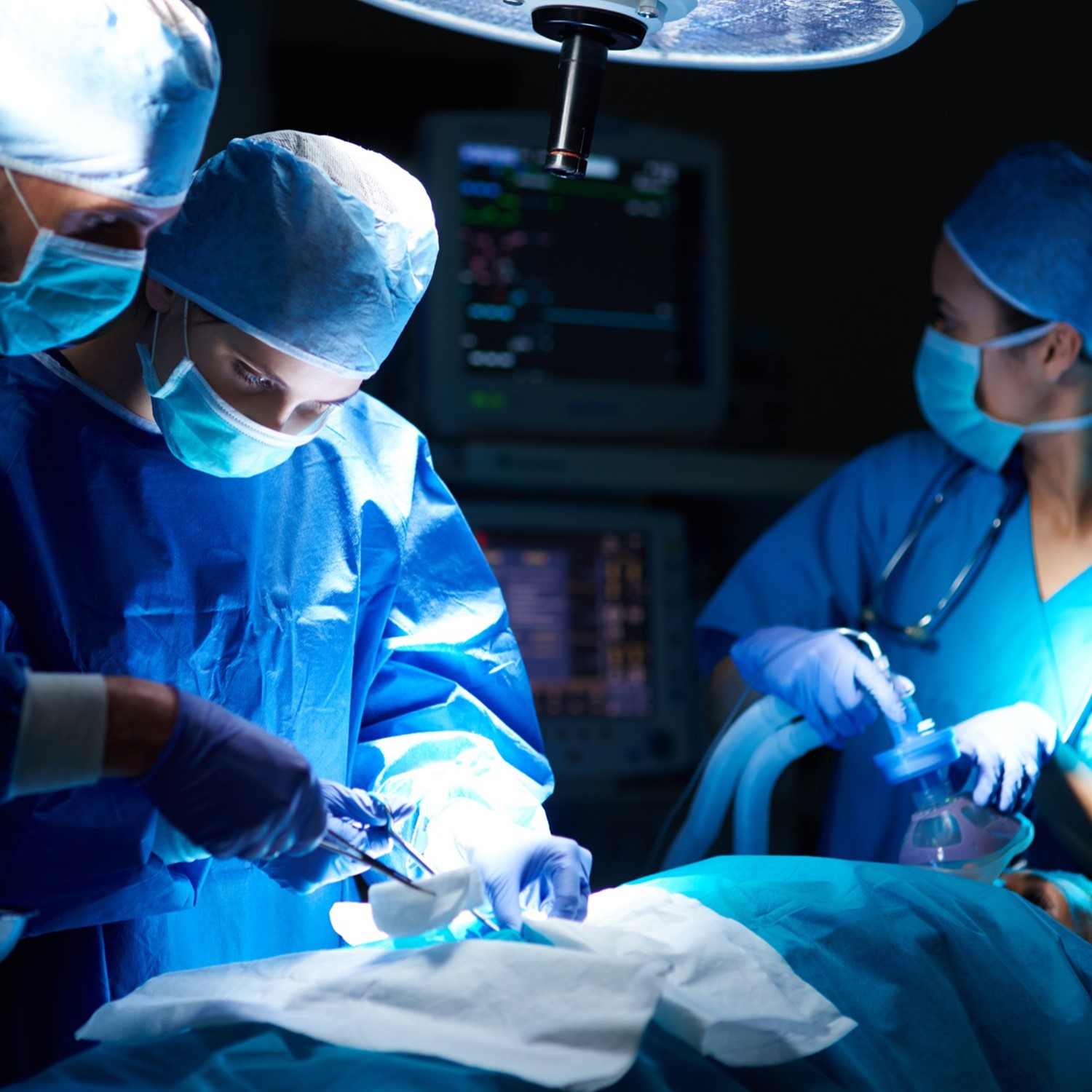
Hypothermia In Surgery
Hypothermia occurs when the body loses heat faster than it can produce it, leading to a dangerously low body temperature. There are different types and stages of hypothermia, each with varying degrees of severity:
Mild Hypothermia: This occurs when the core body temperature drops to around 32-35°C (90-95°F). Symptoms include shivering, dizziness, hunger, nausea, and difficulty speaking1.
Moderate Hypothermia: This stage is marked by a core body temperature of 28-32°C (82-90°F). Symptoms can include intense shivering, lack of coordination, confusion, and slurred speech1.
Severe Hypothermia: When the core body temperature falls below 28°C (82°F), it is considered severe. Symptoms include a cessation of shivering, very weak pulse, shallow breathing, and loss of consciousness1.
How surgery can cause hypothermia
Surgery can cause hypothermia due to several factors:
Anesthesia: Both general and neuraxial anesthesia impair the body’s ability to regulate temperature. Anesthesia causes vasodilation, which leads to heat loss and prevents the body from shivering, a natural response to generate heat12.
Cool Operating Room Environment: Operating rooms are often kept cool to reduce the risk of infection and maintain a comfortable environment for the surgical team. However, this can contribute to heat loss in patients13.
Exposure: During surgery, large areas of the body may be exposed, leading to significant heat loss through radiation, convection, conduction, and evaporation1.
Infusion of Unwarmed Fluids: Administering cold intravenous fluids or blood products can lower the patient’s core temperature4.
Evaporation: The use of antiseptic solutions and the evaporation of fluids from surgical sites can also contribute to heat loss1.
Prolonged Surgery: Longer surgical procedures increase the risk of hypothermia due to extended exposure to the cool environment and other factors mentioned above2.
What are the risks of intraoperative hypothermia?
Intraoperative hypothermia, which occurs when a patient’s body temperature drops during surgery, can lead to several risks and complications:
Increased Blood Loss: Hypothermia can impair blood clotting, leading to increased bleeding during and after surgery.
Infection Risk: Lower body temperatures can reduce the immune response, increasing the risk of postoperative infections.
Cardiovascular Complications: Hypothermia can cause arrhythmias (irregular heartbeats) and increase the risk of cardiac events, such as heart attacks.
Delayed Recovery: Patients with hypothermia may experience slower recovery times and prolonged hospital stays.
Shivering: Postoperative shivering can be uncomfortable for patients and increase oxygen consumption, which can be problematic, especially for those with respiratory issues.
Impaired Drug Metabolism: Hypothermia can affect the metabolism of anesthetic drugs, leading to prolonged effects and delayed emergence from anesthesia.
Electrolyte Imbalances: Hypothermia can cause shifts in electrolyte levels, which can affect various bodily functions.
Thermal Discomfort: Patients may experience significant discomfort due to feeling cold during and after surgery.
Preventing intraoperative hypothermia is crucial to minimize these risks and ensure better surgical outcomes
How do hospitals prevent hypothermia during surgery?
Hospitals use several strategies to prevent hypothermia during surgery. Here are some common methods:
Prewarming: Patients are often prewarmed before surgery using warming blankets or forced-air warming systems. This helps to increase the body’s core temperature before the procedure begins.
Warmed Intravenous Fluids: Administering warmed IV fluids and blood products helps to maintain the patient’s core temperature.
Warming Blankets and Devices: During surgery, patients are covered with warming blankets or use forced-air warming devices to keep their body temperature stable.
Monitoring Core Temperature: Continuous monitoring of the patient’s core temperature allows for timely interventions if the temperature begins to drop.
These measures help ensure that patients maintain a stable body temperature during surgery, reducing the risk of hypothermia and associated complications.
